Four Ways to Improve Forklift Productivity
Does your warehouse feel less like a well-oiled machine and more like a slow-motion traffic jam? When pallets sit idle and operators are waiting on each other, you're losing valuable time and resources.
Finding effective ways to improve forklift productivity doesn’t necessarily require a massive investment in a brand-new fleet. At Sam’s Mechanical Service LLC, we’ve spent years helping businesses realize that peak efficiency is usually hidden in the details of their current operation. Most managers overlook the minor operational tweaks that lead to massive gains. You don’t need a miracle; you need a strategy.
Ready for a warehouse that operates efficiently and runs smoothly, with minimal downtime and maximum output? With just a few simple changes in maintenance, operator training, and workflow adjustments, you can eliminate bottlenecks and start seeing a significant improvement in productivity.
Let’s dive into the practical strategies that will transform your operation and help you achieve the productivity boost you're looking for.


TL;DR - Four Ways to Improve Forklift Productivity
- You can improve forklift productivity without buying new equipment by focusing on maintenance, operator habits, and workflow.
- Stick to preventive maintenance so forklifts lift faster, run smoother, and don’t waste fuel or battery power.
- Reduce surprise breakdowns with daily checklists, quick issue reporting, and a few common spare parts on hand.
- Train operators on efficiency habits like pre-trip inspections, smooth driving, situational awareness, proper loading, and battery management.
- Improve flow by adjusting your warehouse layout.
Preventive Forklift Maintenance: The Foundation of Speed
It sounds simple, doesn't it? Yet, maintenance is often the first thing to slide when the schedule gets busy. The truth is, a forklift that hasn't been serviced is a ticking time bomb of inefficiency.
When a machine is struggling with a clogged filter or a worn-out hydraulic seal, it works harder to do less. This means slower lift speeds and increased fuel or battery consumption. By prioritizing a strict preventive maintenance schedule, you ensure your fleet stays reliable and ready for every job.
Why maintenance matters:
- Optimal Performance: Clean engines and lubricated masts move faster and more smoothly.
- Fuel/Energy Savings: Well-tuned machines consume less, reducing the time spent at the refueling or charging station.
- Safety First: A forklift that stops and starts predictably allows operators to move with confidence.

Downtime is a silent profit killer. When a forklift goes down unexpectedly, it’s not just one machine out of commission—it’s a ripple effect that slows down the entire operation.
The goal is to move from reactive repairs to preventive maintenance whenever possible. This means listening to what your equipment is telling you. Small vibrations, strange whines, or slight drops in lifting power are all early warning signs.
How to keep the wheels turning:
- Standardized Checklists: Make sure every operator uses the same rigorous inspection criteria.
- Real-time Reporting: Encourage a culture where operators feel rewarded for reporting minor mechanical issues early.
- Spare Parts Inventory: Keep common wear-and-tear items like seals, light bulbs, and fuses on hand to avoid waiting for shipments.
Here is the deal: A five-minute fix today is always better than a five-hour repair next week.
Training Your Forklift Operators to Practice Good Habits
Even the best forklift is only as productive as the person behind the wheel. You might have the fastest lift on the market, but if your operator is taking the long way around or constantly braking hard, productivity suffers.

High-quality training is about safety, efficiency, and smoothness. When drivers are trained to optimize their routes and handle the controls with precision, the "stop-and-go" jerky movements that eat up seconds (and wear down tires) disappear.
Key habits to instill in your team:
- Consistent Pre-Trip Inspections: Catching a soft tire or a minor leak at 6:00 AM prevents a total breakdown at 2:00 PM.
- Fluid Motion: Teaching operators to blend lift and travel movements safely can shave seconds off every pallet drop.
- Situational Awareness: Always staying alert to your surroundings—pedestrian traffic, blind corners, tight aisles, and changing dock conditions—helps operators avoid collisions, pauses, and backup situations that slow everyone down.
- Proper Loading Techniques: Centering loads, keeping them stable, and carrying them at the right height reduces product damage, prevents re-stacking, and cuts down on “redo” trips that eat up time.
- Battery Management: Ensuring operators follow proper charging or battery swapping protocols keeps the fleet powered during peak hours.
How Your Warehouse Layout Affects Productivity
Sometimes the best way to improve forklift productivity isn’t on the forklift at all, it’s in the layout of your warehouse.
Here are five ways to keep your warehouse working efficiently:
- Put your highest-demand items in the most accessible locations. You don’t want to make a long trip every time you need your most popular items.
- Create clear “main roads” for forklifts. Think of these as the fastest routes through your warehouse. Keep them open and wide enough for steady traffic. Add cross-aisles or backup routes so that, if one aisle is blocked, forklifts don’t have to drive all the way around the building.
- Separate forklifts and pedestrians whenever possible. When people and forklifts share the same space, forklifts have to slow down and stop more often. Mark forklift lanes and walking paths clearly, and use barriers wherever you can. Fewer close calls mean smoother flow.
- Set up clean staging areas near dock doors. If the dock area is cluttered, forklifts waste time moving things out of the way before they can do real work. Create designated zones for inbound and outbound pallets so drivers can drop, pick up, and get moving without the dock turning into a pile-up.
- Good lighting. Make sure your warehouse is well-lit to avoid mistakes caused by poor visibility.
Recognizing the Need to Upgrade
There eventually comes a point where "tinkering" is no longer enough to keep your forklift operating efficiently. If you find that a specific forklift is spending more time in the shop than on the floor, it’s time to crunch the numbers.

Here are some red flags to watch for that may indicate you’ve reached the point of needing to upgrade:
- Frequent hydraulic failures despite regular service.
- Significant battery degradation that won't hold a charge through a full shift.
- Ergonomic issues that cause operator fatigue and slower work rates.
Any of these three things could actually be a sign that it’s time to get rid of a machine that isn’t performing up to par and replace it with one that gets the job done efficiently and without added stress.
Conclusion
The morning sun hits the warehouse floor, reflecting off a fleet of forklifts that move with silent, synchronized precision. There’s no shouting, no frantic calls to the repair shop, and no "out of service" tags hanging from steering wheels. Instead, the steady hum of pallets being moved fills the air, and your team is meeting the demands of the day with time to spare because the machines are working for them, not against them.
This level of efficiency is entirely within your reach. Sam's Mechanical Service LLC wants to help you get the most out of your operation. We are happy to help you assess your problem areas and make the best decisions for your business, and we provide emergency service, same-day rentals, parts for your forklift and new and used forklifts.

Your Action Plan:
- Audit Your Fleet: Take an afternoon to review your recent repair logs and identify your "problem children."
- Talk to Your Team: Ask your operators where they feel they are losing the most time during their shifts.
- Call the Experts: Contact Sam’s Mechanical Service LLC today. We can help you identify which maintenance or workflow adjustments will deliver the highest return on investment or help you decide if it’s time for an upgrade.
Want to keep improving your operation? Here are three blog posts that can help you with your forklift decisions:
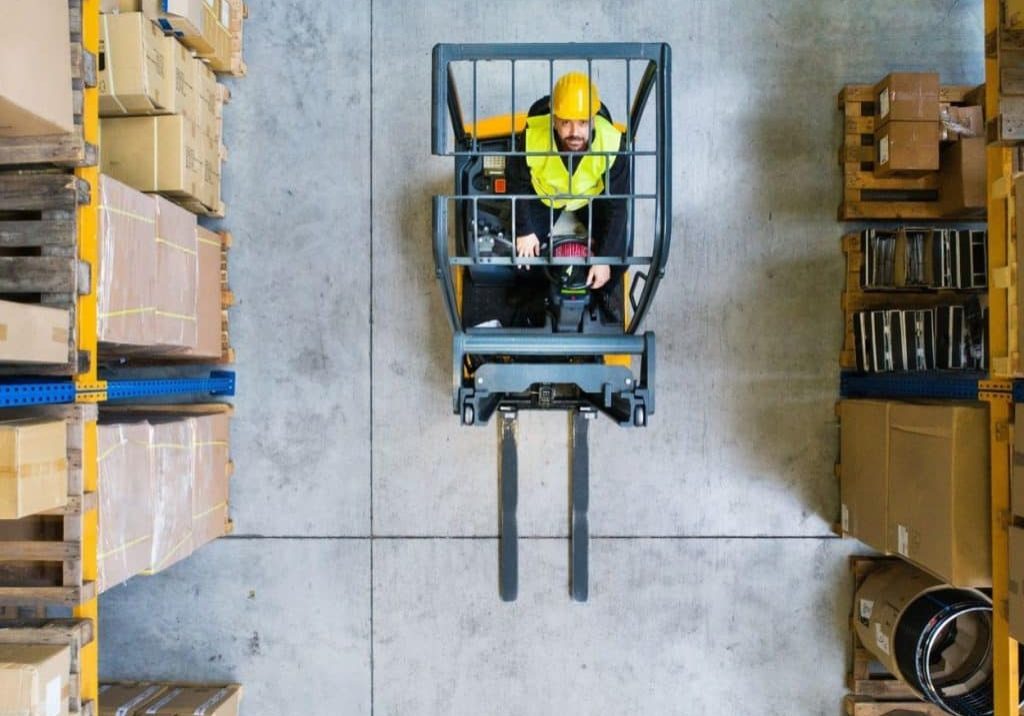
Pros and Cons of Renting a Forklift: What Every Business Should Know
Let’s face it. Forklifts aren’t cheap.
But sometimes, your team needs one. Maybe you have a short-term job. Maybe your current equipment broke down. Or maybe you're expanding and not sure what your long-term needs will be.
That’s where the idea of renting a forklift starts to make sense.
At Sam’s Mechanical Service, we’ve helped businesses all over weigh their options. Rent or buy? What makes the most sense for your budget, timeline, and workload?
This blog is your guide to the pros and cons of renting a forklift. Our goal is to help you make a smart decision that saves you money and keeps your business running smoothly.


First off, let’s look at a few pros to renting. After that, we’ll look at some of the drawbacks.
Cost Comparison
Let’s start with the big one: money.
Buying a forklift outright is a huge investment. We’re talking tens of thousands of dollars. And that doesn’t include the money you’ll spend afterward on storage, repairs, or insurance.
Renting? Lower upfront cost. Way lower.
You only pay for the time you need the equipment; no loan or long-term commitment needed. Just use it and return it, whether that’s a few days, weeks, or months.
Renting is especially helpful when:
- Cash flow is tight
- Projects are short-term
- You’re not ready to commit

But there’s a catch.
When you rent over and over again, it adds up. Over time, it could cost more than buying. I mean, think about renting a car for six months straight. At some point, owning just makes more sense.
So it depends. Short-term? Renting wins. Long-term, high use? Buying is better.
Also, let’s take a moment to consider resale value. When you own a forklift, it becomes an asset. You can trade it in or sell it later. Rentals offer no return on investment. That difference can tip the scales depending on your long-term outlook.
There are a few other drawbacks to renting a forklift, but we’ll talk about those later on.
Operational Flexibility: Scaling Up or Down as Needed
Projects change. Workloads shift. And sometimes, your business grows faster than expected.
Renting a forklift gives you options.
You can scale up quickly during busy seasons. Need an extra lift for two weeks? Done. Project wrapping early? Return the equipment. No strings attached.
You also get access to different forklift models, such as heavy-duty forklifts, electrical forklifts, and narrow aisle machines. If you rent, you get the variety without the long-term cost of owning a bunch of machines or parts.

This kind of flexibility is a game-changer for construction crews, warehouses, and seasonal businesses.
Imagine trying to do all the different types of work with just one forklift. Not ideal.
Plus, rental companies like Sam's Mechanical Service often keep their fleets current. That means you can access newer, safer, more efficient machines than you might be able to afford if you were buying. After all, nobody likes dealing with old, faulty equipment that often malfunctions.
Maintenance and Service Responsibilities
Sometimes forklifts need a little TLC.
They break. They need oil changes. Tires wear out. Batteries need checking. When you own, all of that is on you.
But when you rent?
The rental company handles maintenance. That includes regular servicing and unexpected breakdowns. You don’t have to worry about downtime or surprise repair bills. You also don’t need to worry about having an experienced mechanic around who’s able to service your machine.

That peace of mind is worth a lot! Chances are, you already have enough on your plate and you don’t need another list item.
And let’s be honest—downtime costs money. Lost hours. Delayed deliveries. Frustrated clients. Renting from a company that provides responsive service can keep things moving without the financial hit of an in-house repair. Instead of stopping work to fix your machine, you just call your rental company and they either repair it or swap it.
That’s another headache off your plate.
Potential Drawbacks: Long-Term Costs and Equipment Availability
We’ve talked about situations in which renting makes sense. But what’s the catch?
Here are a few things to watch out for if you are renting a forklift:
Cost Over Time: If you rent for months on end, it adds up fast. Especially if you use the forklift daily. In the long run, buying will probably cost less per hour of use.
Availability Issues: Busy season? Forklifts may be booked. That can leave you waiting when you need one most.
Less Customization: Rental machines are usually standard models. If your work needs special attachments or custom setups, owning gives you more control.
Scheduling Conflicts: Have an unpredictable schedule? Need to extend your rental? Someone else might already be scheduled to use it. That could put a few headaches back on your plate.

Bottom line? Renting is great for flexibility and short-term needs. But not always best for long-term, high-use operations.
Factors to Evaluate Before Signing A Rental Agreement
Still unsure? Here are a few things to look at before signing a rental agreement:
Rental Terms Be sure you understand what’s included in the forklift rental terms. Are there limits on usage hours? What happens if something breaks?
Equipment Age: Ask how old the forklift is. Newer models usually mean better performance and fewer problems.
Vendor Reliability: This one matters most.
You want a company that picks up the phone. Shows up on time. And stands behind their gear.
You want someone who has built a reputation for dependable forklift rentals and service, who cares about keeping your business moving. And when something goes wrong, you want to know they’ll make it right.
Manufacturer Guarantees: Some rental agreements include manufacturer warranties or service plans. Ask about it. This adds an extra layer of protection.
Location & Delivery Options: Make sure the rental company delivers to your site. Ask about lead times and transportation fees. Fast delivery can be the difference between hitting and missing a project deadline.
So, Should You Rent a Forklift?

Let’s simplify the pros and cons of renting a forklift:
Renting makes sense when:
- You have short-term or seasonal needs
- Cash is tight
- You need flexibility
- You want someone else to handle maintenance
Buying might be better if:
- You use forklifts every day
- You want custom setups
- You’re in it for the long haul
No two businesses are the same. What works for one might not work for another.
At Sam’s Mechanical Service, we don’t push you into a one-size-fits-all decision. We ask questions. We listen. And then we help you choose what’s best for your business.
Need help deciding? Give us a call. Renting a forklift doesn’t have to be complicated. Not when you have a team that knows the ropes.
Let’s keep your job running. Without the hassle.
Final Thought: Renting Isn’t Just a Transaction. It’s a Partnership.
When you choose to rent a forklift, you’re choosing a partner. Someone who helps keep your operation on track. At Sam’s Mechanical Service, we take that responsibility seriously.

You need reliable machines. Fair prices. Fast service.
We deliver.
So whether you need a lift for a few days or a few months, you can count on us to make the process simple. No stress. No surprises.
We also offer services and repairs, trucking, parts, and racking and storage solutions.
Let’s move your business forward—one lift at a time.
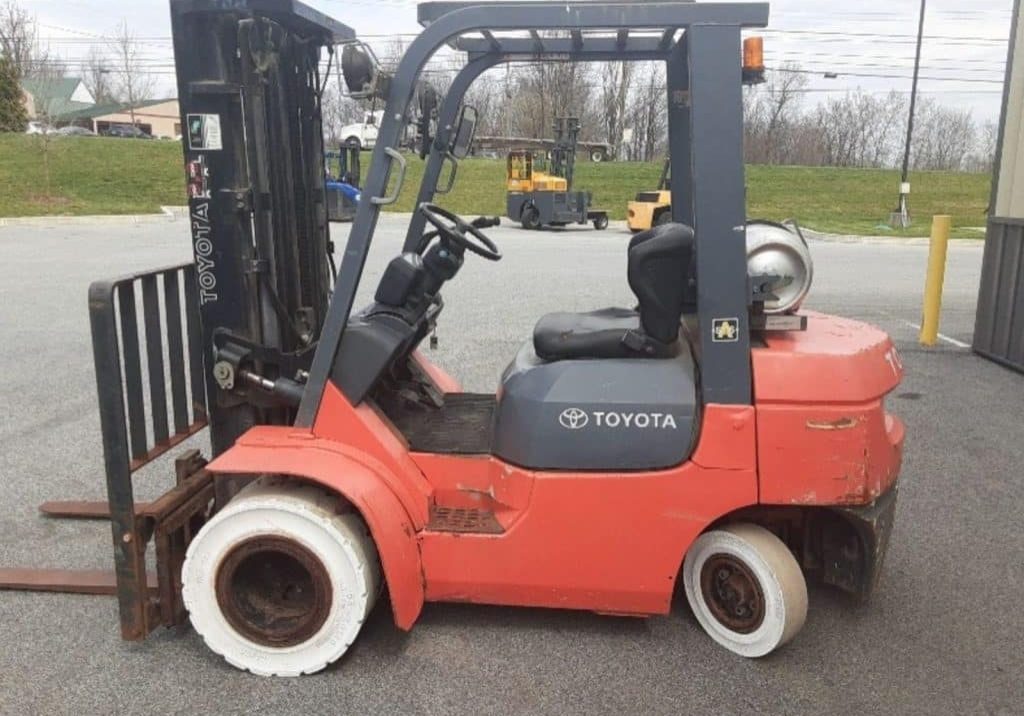
Popular Types of Forklifts and What You Need to Know About Them
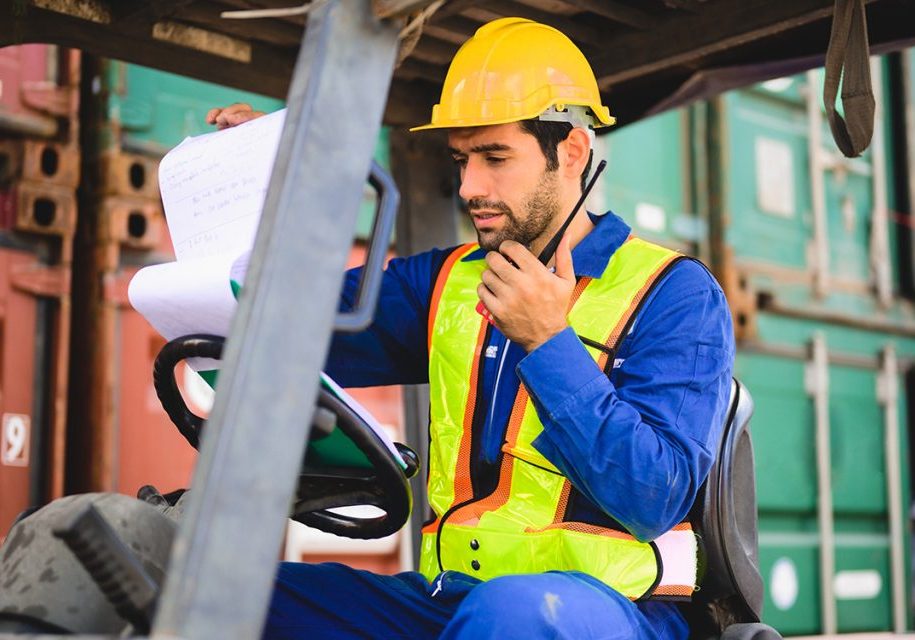
How Electrical Forklifts Improve the Efficiency of Movie Sets, Retail Stores, and More
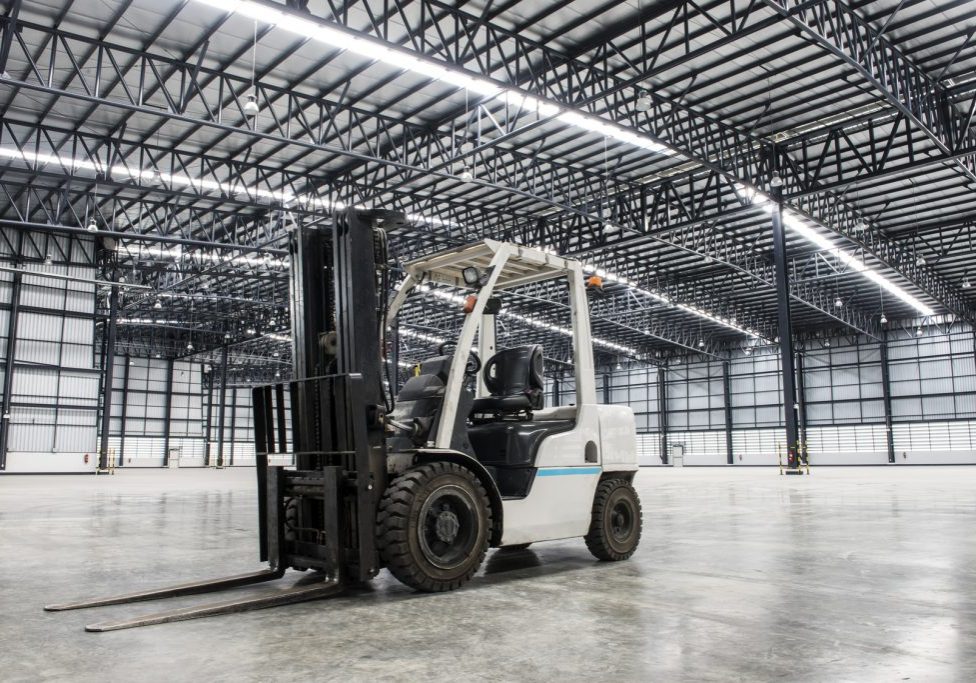
Choosing a Used Forklift Dealer: What You Should Know
When Using a New Forklift, How Do You Calculate Its Load Capacity?